


Happy September! The scent of Pumpkin Spice is in the air (I am very much a fan of that flavor, myself). 2025 has been a year of learning, discovering truths about many different topics, but American history in particular.
When I set out on my American history reading challenge, it didn’t occur to me how long this project would take. If I wish to read a book about each of the Presidents (and First Ladies), it’s going to require more than a year’s worth of reading. I must pay attention to each book, avoiding the urge to speed-read.
I’ve learned things about the Founders and their wives, facts not taught in school— facts which give these heroes human qualities. I’ve become familiar with their flaws in addition to strengths that made them good leaders.
These people were not perfect. Approaching history from a modern lens, we see these men and women as products of their time. They were loyal to ideologies that are far from what we now hold.
All the same, they were important and worth admiring.
I’ve just started reading a biography about Dolley Madison. I’ve been struck by a shared theme in the biographies of First Ladies: They were more involved than we might think.
The role of First Lady was brand-new, its responsibilities unclear. Those early First Ladies navigated unfamiliar territory with grace, setting precedents for future Presidents’ wives to follow.
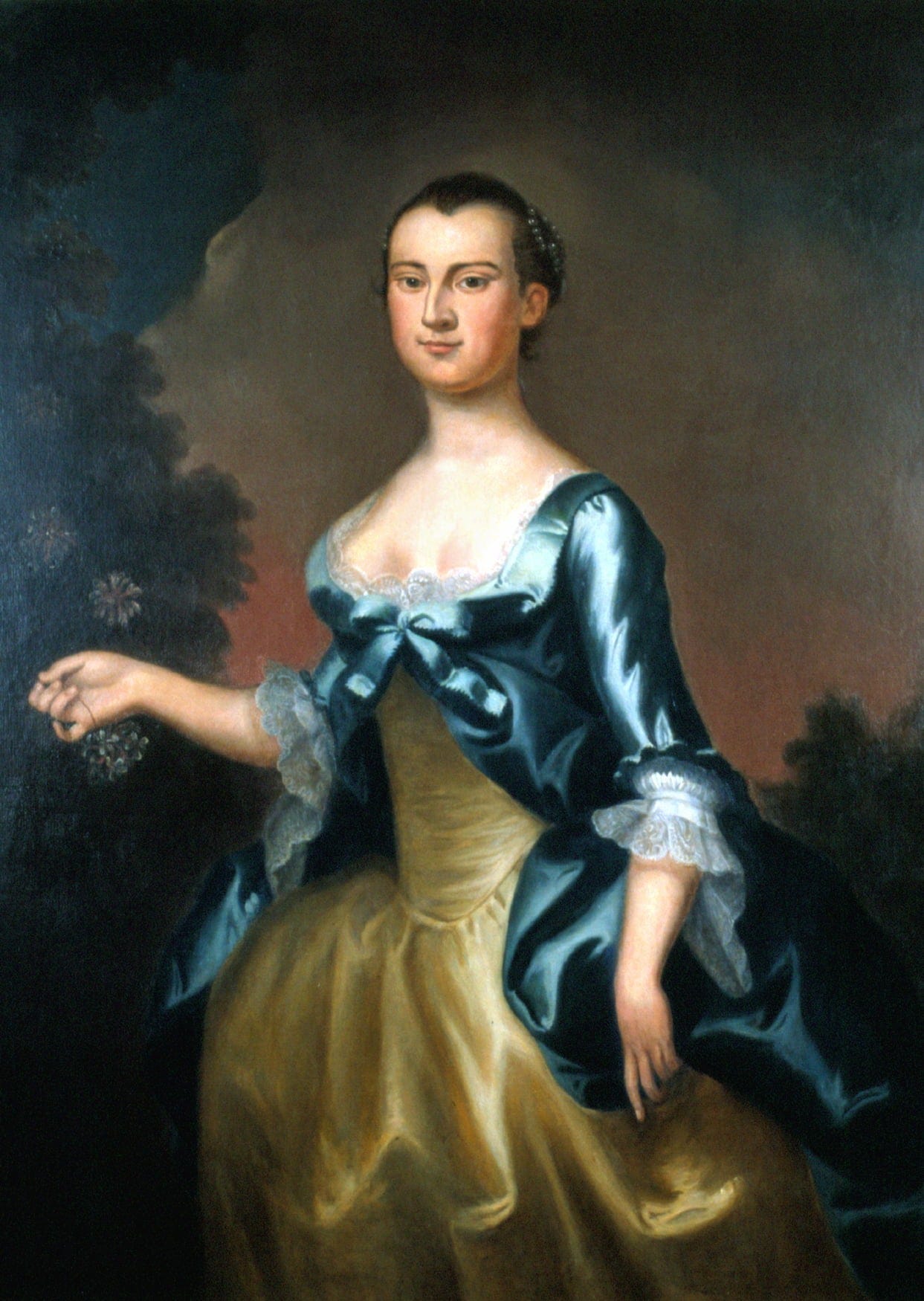
Martha Washington was the very first of them—she had no one to consult about the job, because her job previously did not exist. I’ve written a post about her, which you can read here.
While most people agreed that she filled the office excellently, she did so with reluctance. By the time George Washington was elected the first President, Martha had made plans for their retirement. She wanted nothing but for the two of them to grow old in the comfort of their home, Mount Vernon.
Martha might have been disappointed, but she was loyal to the man she married. Knowing that George needed her support, she followed him to Philadelphia. There, she became famous for hospitality. She hosted tea parties, inviting heads of state and their wives.
From a young age, Martha had a difficult life. She lost all of her children from her first marriage to Daniel Parke Custis. The woman would always grieve these deaths—however, she didn’t allow grief to paralyze her. Her attitude in the face of such a significant new role is a testament to her character.
After Martha Washington came Abigail Adams. I also wrote a post about this First Lady, which you can read here!
The daughter of a clergyman, Abigail Adams understood how the world worked. She could look at matters from many different viewpoints.
Having been a sickly child (no one is certain of what ailed her), she wasn’t sent to school. Instead, she was free to roam her father’s library. There, she read tomes on many topics, including many that women weren’t encouraged to learn.
Letter-writing was one of Abigail’s favorite pastimes. Enough of her correspondence exists that we can discern a portrait of her. She possessed a sharp wit, expressing herself with cutting humor. Her words were direct as she gossiped with her sisters in letters. Fiercely protective of her family, she often lashed out at politicians who criticized her husband or children.
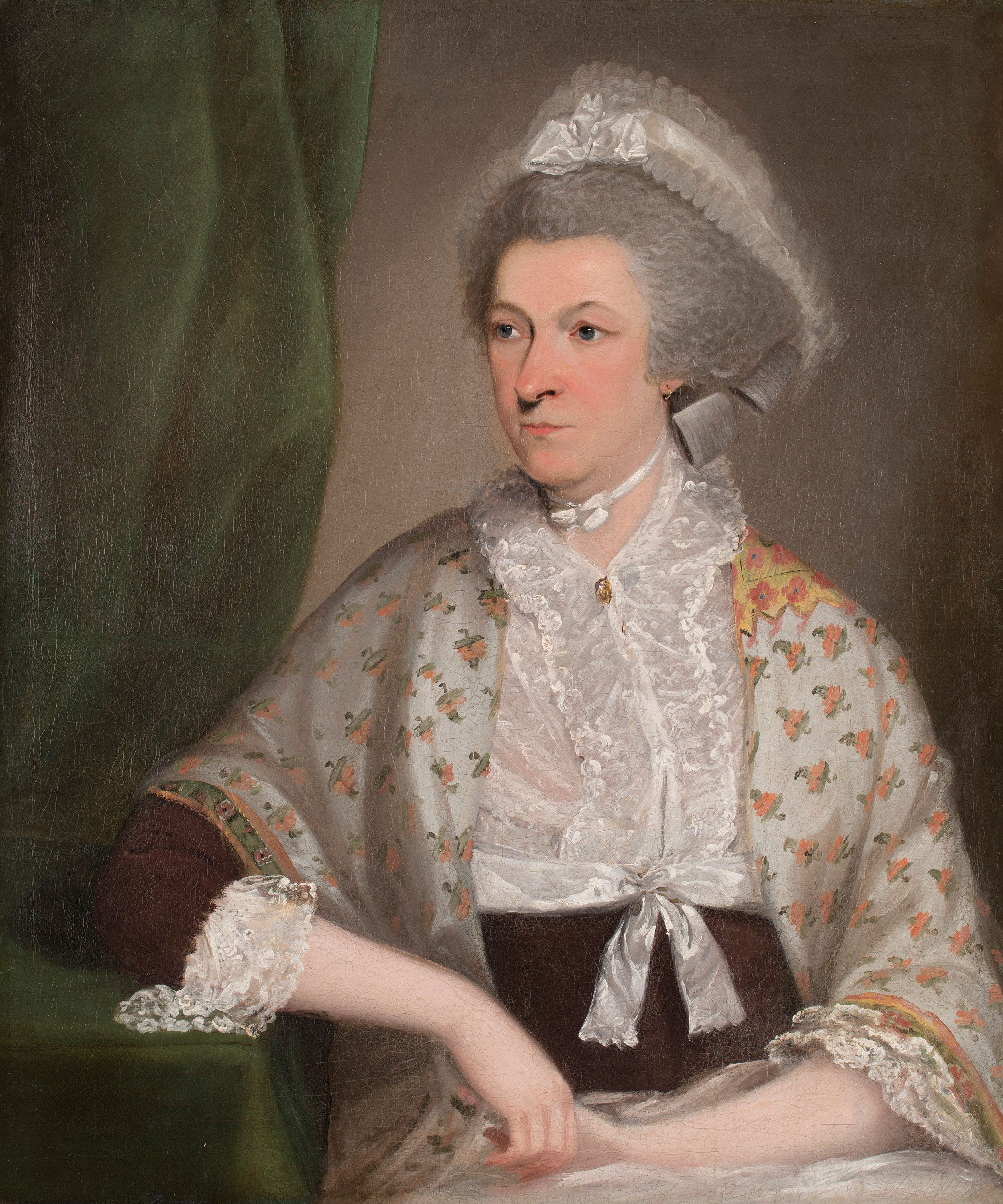
Abigail Adams was one of those infamous ‘women who would not be silenced.’ Though John Adams often jested about it, it doesn’t seem like he did much to ‘rein her in.’ A studious man and great thinker, I don’t believe he could have loved a woman who wouldn’t speak her mind.
Abigail even kept secrets from her husband. She enlisted the help of an uncle to make numerous investments on her behalf during the nation’s early years. A woman investing—at the time, that was unthinkable! The letters she sent to her uncle often went by an alias. She begged this uncle not to mention her business to John. If John ever suspected a thing, he never said so.
Her passion for investment and planning ahead made her unusual, indeed. The result was that, when Abigail died, she had prepared a significant will of her own. Not only that, but most of what she left went out to female relatives, from personal belongings to comfortable sums of money.
Did Abigail do this because she knew women had little in the world to call their own? Whatever the case might have been, many of her female cousins, nieces, and granddaughters were well-off when Abigail breathed her last.
Thomas Jefferson was a widow when he became President. His wife, Martha, died years before, and he was not willing to give his daughters a stepmother.
His eldest daughter, also called Martha, would take on the responsibilities of First Lady instead. I have written about Martha’s life here. She hosted parties, discreetly gathering information. She was known to be just as intelligent as her father (to his chagrin—Jefferson did not believe girls ought to be educated like boys).
Jefferson also received aid from the wife of James Madison, one of his successors. Dolley Madison was a powerful woman. Since Jefferson and Madison were friends, it was not unusual for them to collaborate, exchange ideas, and host social gatherings together.
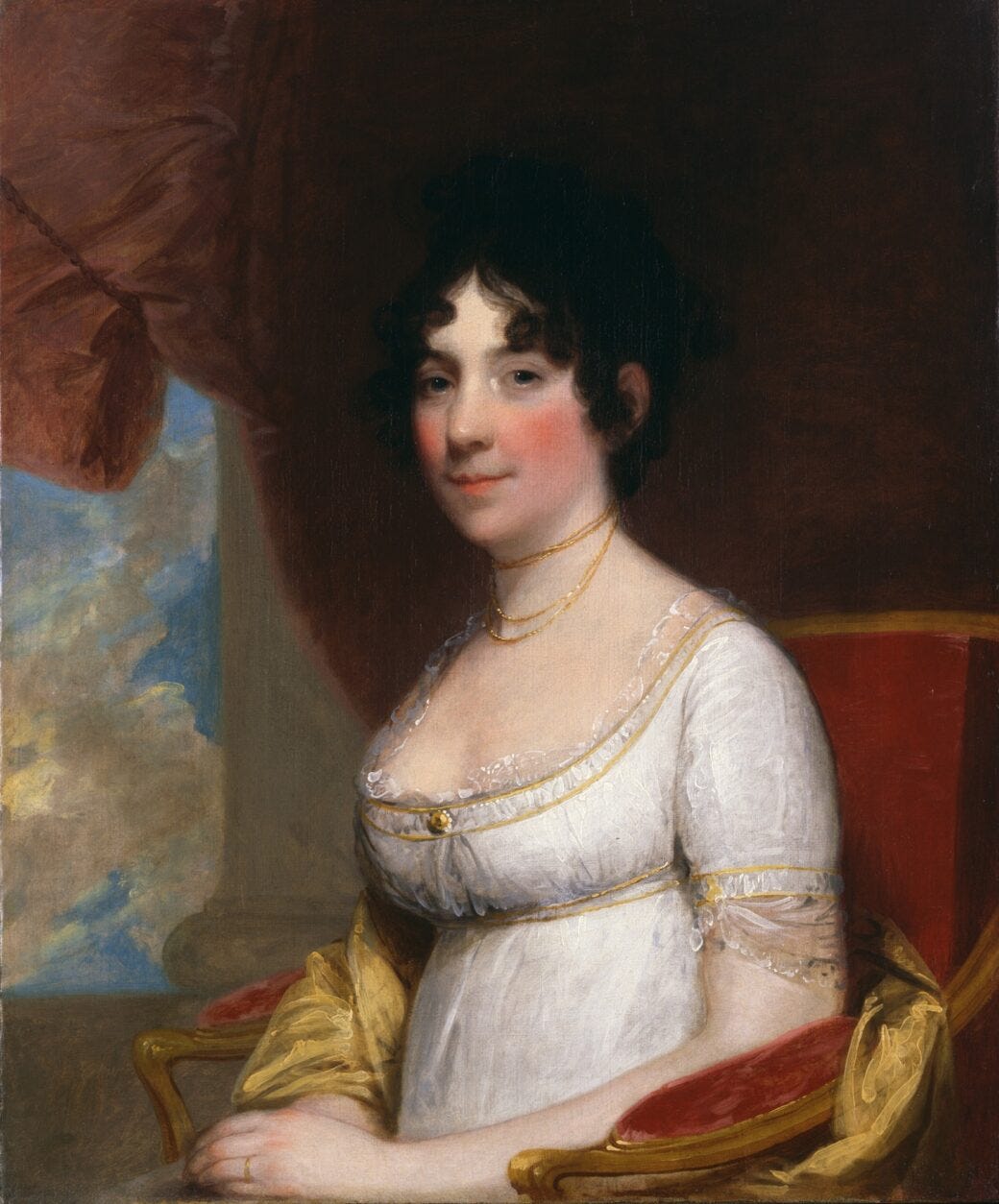
Stylish Dolley Madison was already a social butterfly before she became First Lady. Today, she is best known for rescuing the painting of George Washington when the British burned down the President’s House. While this is, indeed, an intriguing story, it’s not the only reason why Dolley Madison was outstanding.
James Madison was an introverted man. He also struggled with a malady speculated to be epilepsy. Dolley was energetic enough for the both of them, especially when he found himself battling flare-ups.
Dolley had a knack for making conversation with everyone, taking the burden of socializing from James’s shoulders. She mastered the art of politicking over a cup of tea. In this way, she earned the loyalty of politicians’ wives who might be able to sway their husbands’ votes.
Dolley’s gift for socializing was greatly helpful in winning her husband the presidency. She was treated, in her lifetime, as a ‘Lady President,’ even called an American Queen.
There are roles in leadership for many kinds of people: introverts and extroverts, wallflowers and souls who can be the life of the party. Introverted James and bubbly Dolley proved to balance one another perfectly.
We’re over halfway through the year. I’ve only read so far about four Presidents and three First Ladies. I cannot tell you what year it’ll be when I reach the modern Presidents, but I’m not in a hurry, since this challenge is fulfilling.
Some goals are worth the time invested. History has always been one of those things.
Have you read about these First Ladies? Do you have a favorite?
I would love to hear your thoughts, and please tell me if you have any exciting plans for September!
7 History Books You Should Read

As we near the end of August, I can look with satisfaction at a pile of books that I’ve read this year so far. It’s been a fascinating journey through history, in which I learned facts that tend to be glossed over in school. Though I’ve bounced through several topics, the one I’ve explored most has been American history. I have also enjoyed some general…
This is such a cool project. We moved to Charleston, SC, a couple of years ago and somehow living in that old city makes it easier to imagine the world these women circulated in. Dolly Madison in particular seems easy to imagine down here. Thanks for sharing!