


Read more of my work—check the Table of Contents here!
On 13 December, 1474, the Spanish empire was rocked by the death of its leader, King Enrique.
While Spanish subjects reeled in the sudden absence of a king, one person did not lose her head. This woman knew what she wanted. She had a vision of what the Spanish monarchy would look like from then on.
She was Enrique’s half-sister, Isabella of Castile—and she would change history. The book Game of Queens by Sarah Gristwood opens with a scene surrounding her, one of queenly triumph. It describes considerable upset on the part of male rivals who thought things would be done as they always were done:
As the procession wound its way through the streets, Isabella of Castile rode on horseback, with nobles on foot bearing the train of her gown.
Ahead of her went one lone horseman holding a drawn sword, pointing upward, the traditional symbol of kingship. When he heard the news in distant Zaragosa, even Isabella’s husband, Ferdinand of Aragon, was shocked that she had taken to herself the symbolic sword.
Focusing on the women who influenced the world in which they lived, this book provides fresh perspective. It adds color, literally, by means of the beautiful portraits commissioned to commemorate queens and princesses.
The queens, regents, duchesses, and princesses whose choices were precise and often fatal had a good deal in common. One might see them as a sisterhood of leaders. For a glorious season in European history, they shone with ambition and cunning.
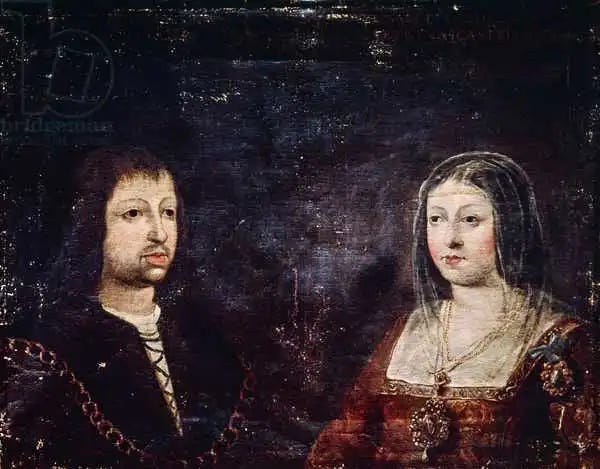
Medieval history, as a cliche, is often known for the antics of King Henry VIII. It would seem, at a casual glance, that he was the most important, if not quite popular, character in those stories.
The truth is, he does not pop up for some time after this glorious season of queens and princesses begins, and he is, in comparison to them, quite dull.
It’s a shame we’re not given a more in-depth picture of those years. It would be empowering for more women to learn about those queens. Henry might be crestfallen, as well—in my opinion, the ladies who ran things during that time were far more impressive.
Game of Queens weaves the stories of several powerful women and how they were connected, because they often were. Scattered about Europe, they were linked by marriage or some national cause.
Their priorities ranged from being all-powerful to merely surviving. I do not believe any of them to have been weak, considering the era in which they were born.
When I recall the fact that they were seen as ‘valuable objects’ kings used to secure power, things shift. Even those who did not achieve the fame of Elizabeth I—even those who died early—are worthy of respect.
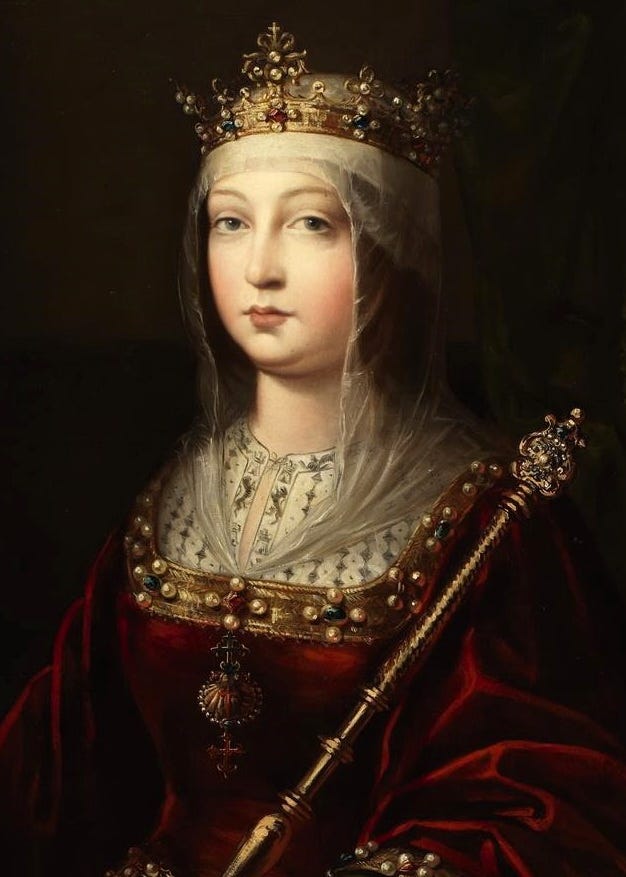
The game of chess is mentioned in the introduction. It is described as a game influenced by none other than Isabella of Castile.
The queen piece that we are accustomed to did not always serve the same purpose in chess. Isabella was an avid player of the game. So great was her influence that she changed the rules, perhaps to reflect the power she would exert on the world around her.
According to History News Network:
“In its original form, the equivalent of the queen was male, a piece known in Spanish as alferza, from the Persian, meaning something like vizier or adjutant,” said Govert Westerveld, a Dutch chess historian and former youth champion who lives in Spain.
“The figure was weak, and its movements limited. Later, around 1475, when Isabella was crowned queen of Castile, the figure became female but able to move only one square at a time, like the king.
Not until 1495, when Isabella was the most powerful woman in Europe, were the present rules of chess established, in which the queen roams freely in all directions on the board.”
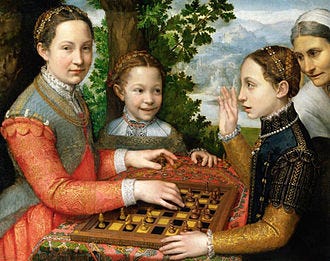
There are some very intriguing pieces of classical art featuring the game of chess. To see more of them, click here!
Isabella of Castile is the first queen to be mentioned in this book. Her courage and audacity set, essentially, a standard for the other queens to follow.
She offered her daughters educations and took care that they were married well, not just wealthy. She was known to join her soldiers in battle, and while she did not participate in combat, it is said that her presence worked like a charm to boost their morale.
We also read about Margaret of Austria, who was equally influential, having achieved power through meticulous choices and the right connections. It was likely in her court that Anne Boleyn was first exposed to the ‘game of chess’ where she would lose her life.
Indeed, all of these women dared to play. I would venture to say that, unlike their male counterparts, they had everything to lose. A queen could be the most intelligent, courageous, beautiful individual, but at the end of it all, her existence depended on whether she gave birth to a son.
Unfortunately, Anne Boleyn—and some of her successors—learned that lesson all too well.
I no longer feel that Henry VIII is the most interesting monarch to have lived. No, indeed—if one looks closely at the story, we can see that he, too, was a mere chess piece.
In chess, after all, the king can only move one square at a time. Was it really that different in real life?
Marguerite de Navarre struck me as unique because of the time that she devoted to a creative passion:
Clever, complex, self-critical, and conflicted, Marguerite [de Navarre] was also the author of a huge body of published writings. …
Most notable is the Heptameron, a collection of stories about love and lust, supposedly told to each other by a group of stranded travellers, that Marguerite wrote later in life.
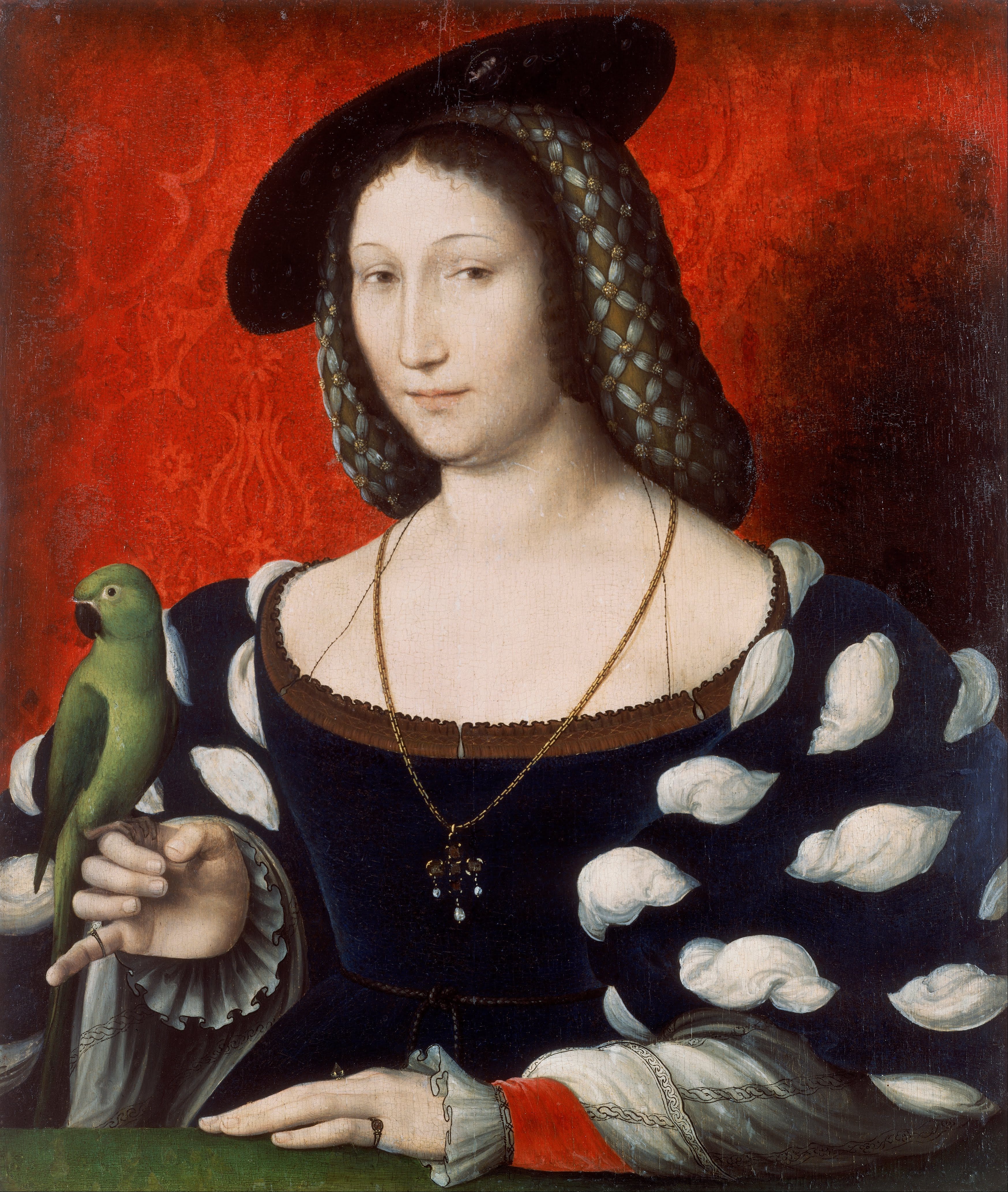
The narratives in Marguerite’s Heptameron include parallels to what is known of her background. Though marketed as fictitious, it’s not difficult to imagine some of these stories were autobiographical.
One of the plots follows a heroine of high rank being assaulted, repeatedly, by a male of high rank. Marguerite, reportedly, endured similar attacks. Perhaps, in the Heptameron, she found peace that was available to her nowhere else.
I hardly think that, if she was abused by a man of high rank, people would believe her—or, if they did, would they have cared to do something about it? What could be done?
I admire Marguerite of Navarre, for she seems to have discovered, long before I did, that writing is great therapy.
Game of Queens is follows the lives of many women with similar names. I believe that, had there not been a family tree at the front of the book, the narratives would have been difficult to follow.
Mary and Maria, Margot and Margaret, Elizabeth and Elisabeth—it would be easy to get them mixed up. I would love to find a book like this with more pages, one that looks with more depth into the lives of these women.
The premise of this book is that, around the 1500s, many women were placed in positions of power. They seemed to have been born knowing were in a game. They also knew how to play it together—like sisters.
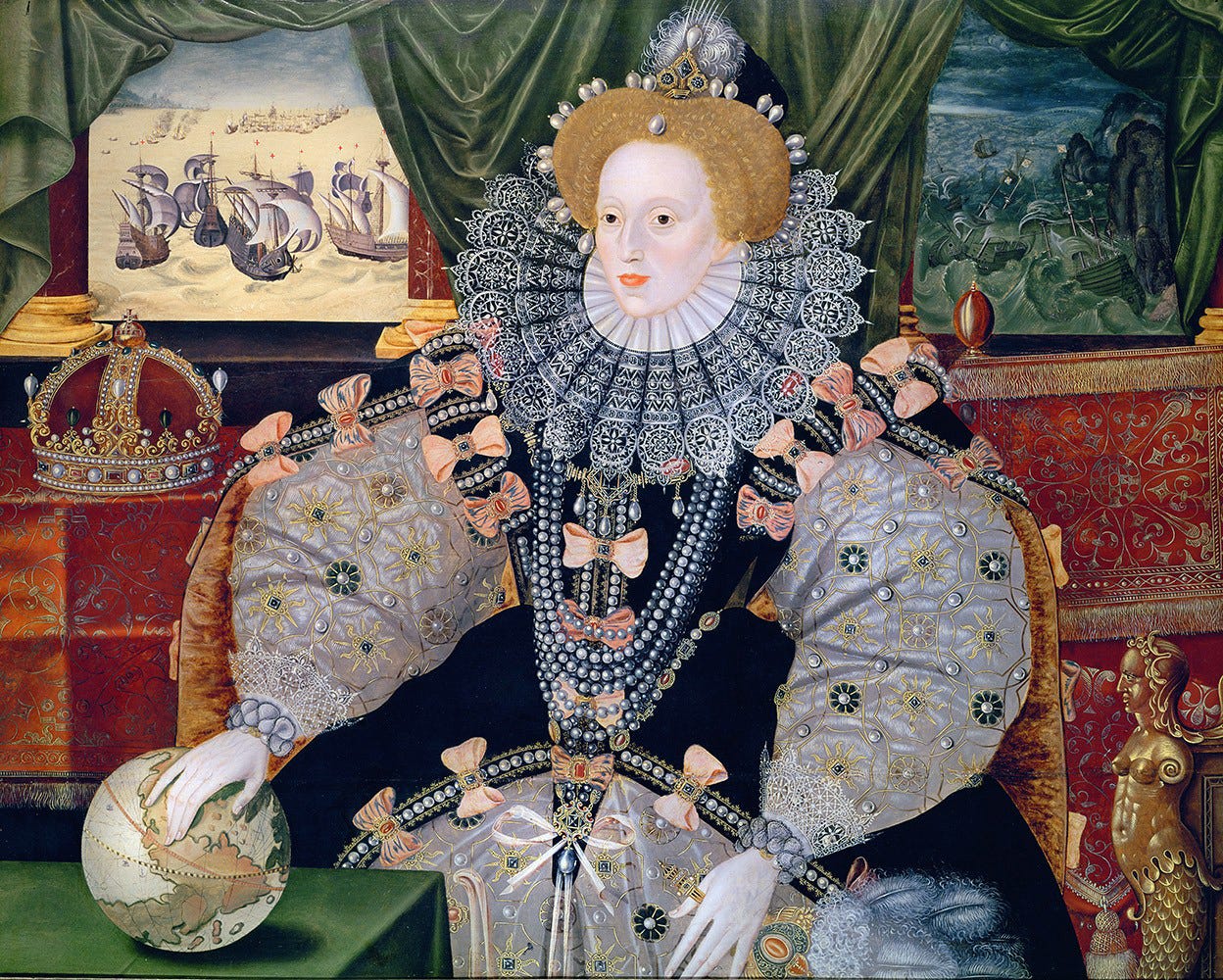
If Game of Queens opens with Isabel of Castile, it closes with the most famous, Queen Elizabeth I.
The last two queens featured in this book were Elizabeth I and Mary, Queen of Scots. Their ‘relationship’ is striking. Elizabeth’s reluctance to sentence Mary to death—the guilt she felt while doing it—was a welcome reminder that, while Queen Elizabeth I was the most important piece in the game, she was also human.
She had regrets, fears, doubts. On the surface, she might have seemed the most powerful woman in the world—but was she, really?
Even though she was a monarch, I perceive that there were moments in which she had little say about her choices.
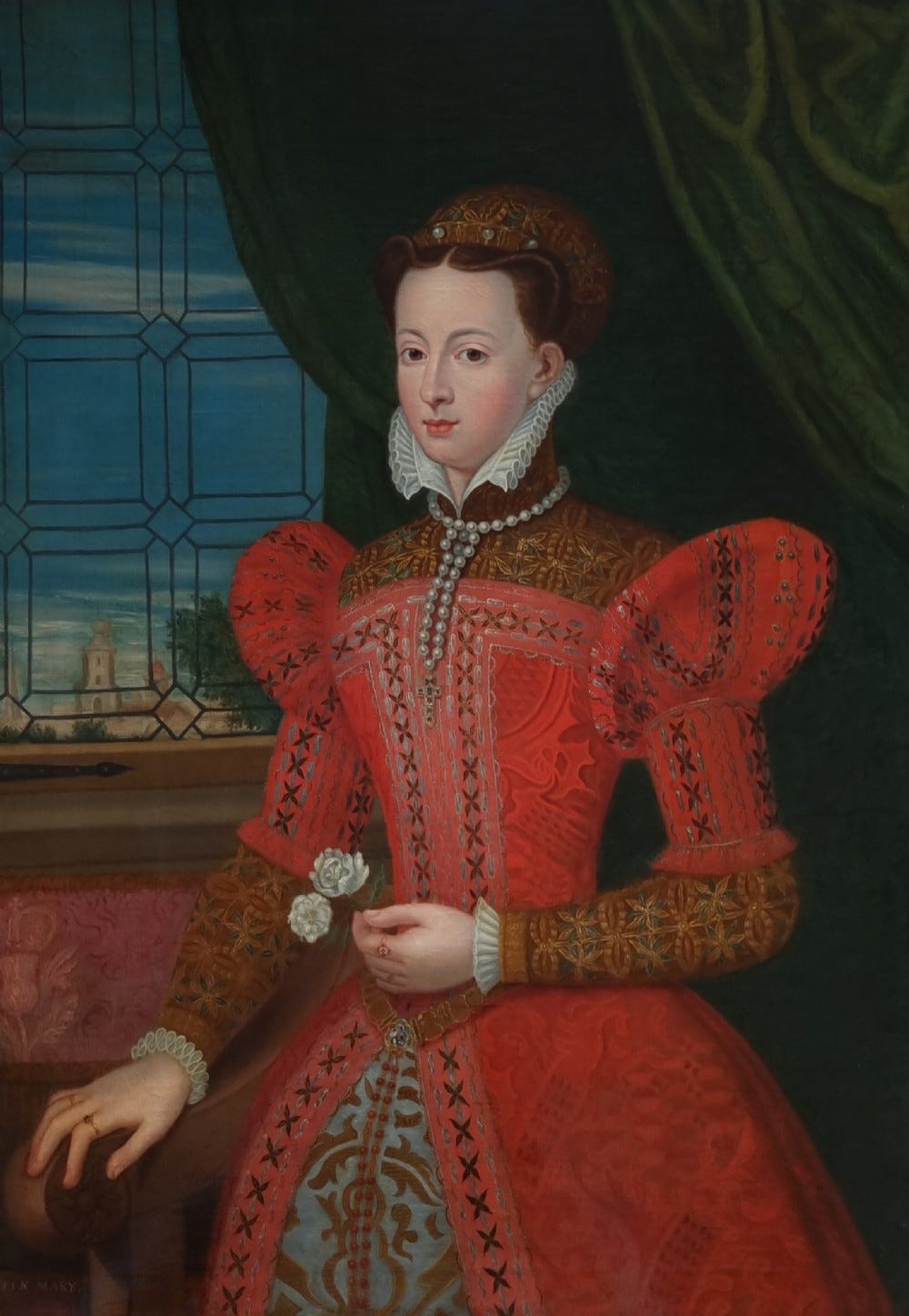
A crown is often more like a shackle. It appears that Elizabeth wore guilt like a shackle at the time of Mary’s death.
On the event of Mary’s execution, Gristwood comments: ‘It is perhaps not too overdramatic to say that Elizabeth Tudor knew the sisterhood of queens had also died that day.
It would be overly simplistic to say that religion ended any real possibility of sisterhood among Europe's powerful women. … But perhaps it [the sisterhood] had always been a fragile plant, capable of flowering only in very particular conditions.
And toward the end of the sixteenth century, the climate was growing cold.’
After Elizabeth I died, Europe seems to have gotten tired of its female rulers.
Opinions spread that women caused too much devastation. Critics were quick to forget the diplomatic ties attempted by leaders such as Margaret of Austria. They also seem to have forgotten Henry VIII’s antics.
It was easier, perhaps less embarrassing, to blame the women for misfortune. While I concede that women made choices with unfortunate consequences, so did men.
The women mentioned in this book were all extraordinary. I was interested to learn of Margaret of Navarre as a writer. I was gripped by the story of Catherine of Medici and the challenges she faced. The women who tried their luck with Henry VIII were very gutsy.
All of these women were influential and, even with flaws, worth remembering in the story of our society. This golden age of female rulers began with Isabel of Castile. It ended with Elizabeth I.
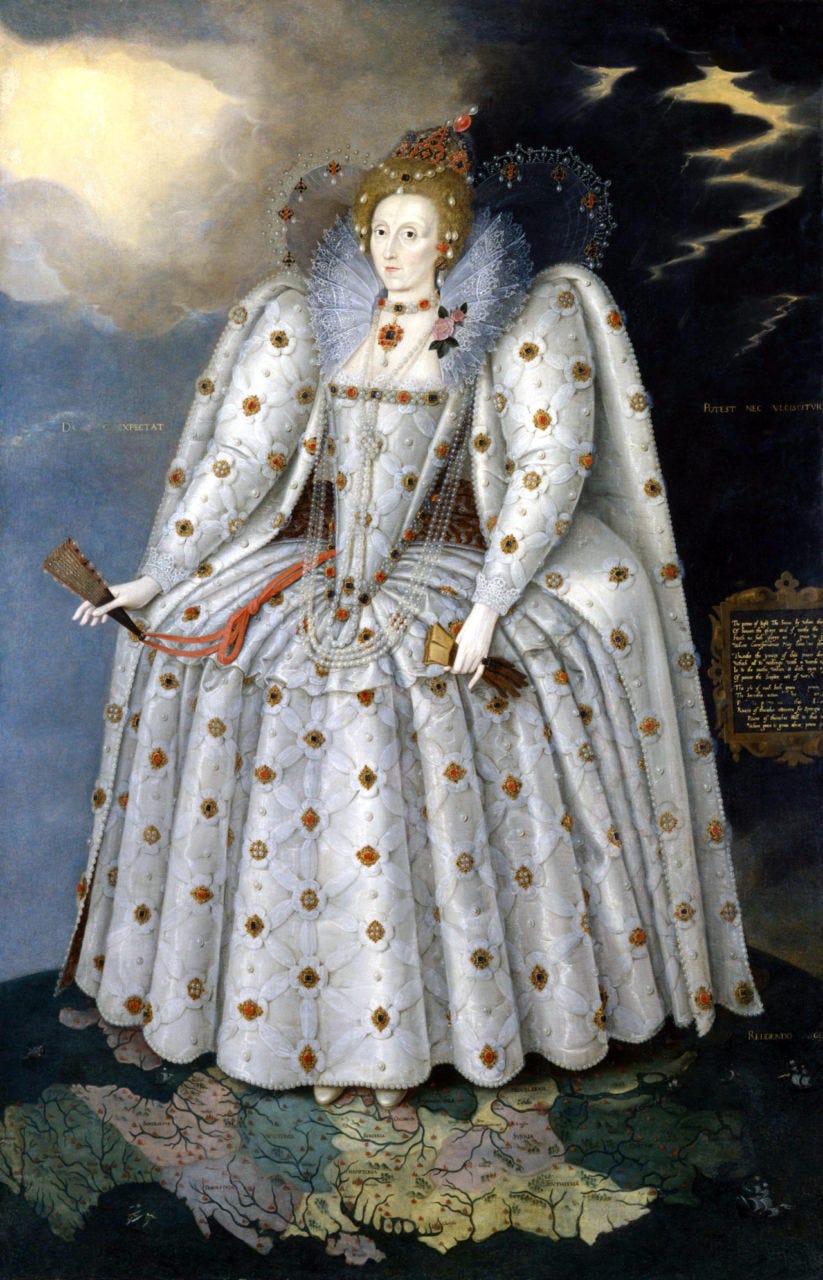
These ladies were willing to go into battle. They asserted their power, irritating the men in their life so satisfyingly.
In a famous example, the world waited for years and years for Elizabeth I to marry. They were tireless in suggesting possible spouses for her. None of that worked. She would not be told what to do, and she left behind the legacy that she wanted.
How could I allow Women’s History Month to glide past me without writing about some of the most powerful women ever to have lived? Fortunately for me, I own a book that focuses on Isabel of Castile; I have a sensation that I will be reading it next.
Not all of the choices these queens made were perfect. What’s important, I think, is that they are remembered. They did not fade into history; they did not allow bias or sexism to erase them.
A woman can ride into battle. A woman can serve as advisor to a king. A woman can carve her name into history on her own, never marrying, without the help of a man with a crown on his head.
Women can. Let us not forget this…they could then, and they still can today. Women can.
Revolutionary Daughters: An Introduction to the Founding Fathers’ Children

Read more of my work; check the Table of Contents here!
This was so interesting, I loved learning about how the game of chess changed because of her. Thank you for spreading the word about powerful women. 😊
Such a great read Mariella! Thank you for sharing your thoughts and this review. 😊 🤍