


Editor’s Note: This post is a few weeks late; the wisdom is the same!
As I type this blog post, I am reading Girl with a Pearl Earring by Tracy Chevalier. It’ll be the last book I write about in my winter reading journal. It marks my progress like the passing of seasons.
After I finish this novel, I’ll dedicate an hour to my reading journal. I will take notes on characters, plot, and themes. I will gather quotes like a bird finding branches for her nest.
It’s a practice I began at the start of the year, and it has changed my reading life. The pages are filled with notes: quotes from authors, my reflections, and paragraphs in which I mix both.
It allows me to peel a story apart, glimpsing the “bones” that keep it standing. With practice, I learn to make out strengths and weaknesses. I then use this knowledge when writing stories of my own.
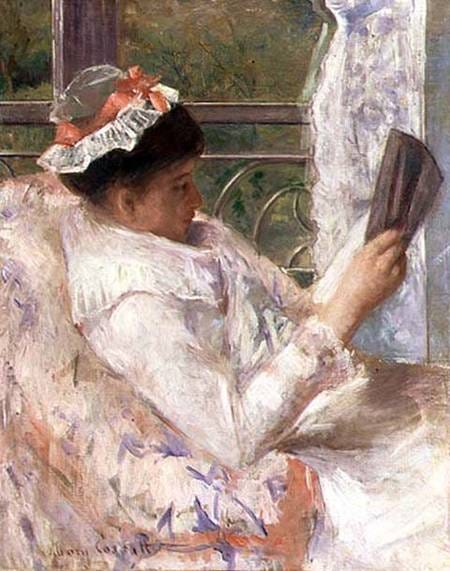
Twenty-Eight Lives of a Thousand
There is a quote by George R. R. Martin: “A reader lives a thousand lives before he dies. The man who never reads lives only one.” As an introvert who was never eager to pursue “outdoor adventures,” I have long been inclined to believe him.
Through tales of magic, knights, and epic quests, I made up for the lack of partying in my teens. I don’t have the impression that my life has been unlived, though some might think otherwise.
“There has to be something you want from life other than books,” someone once said. Other acquaintances have exclaimed, “I would go crazy trying to live your life!” I have long since stopped explaining why I am different.
I have also stopped apologizing. Books are where I find fulfillment. It’s alright that my friends don’t understand; we are not all the same. However, I hope one day they’ll find “the book,” too—and know what it’s like.

In completing my winter reading journal, I’ve accomplished more than filling pages. The practice has taught me three useful lessons. Here, I pass them on to you.
Books Change as We Age
Four of the books that I wrote about in this journal were rereads: Piranesi, Hamnet, A Tale of Two Cities, and Girl with a Pearl Earring.
I enjoyed these novels the first time—enough that they became part of my literary identity, demanding my attention again.
Revisiting them, I found they shone differently. I appreciated new aspects of their plots. I sympathized with different characters, even those who were imperfect. I returned to them after sufficient time had passed that I, the reader, was different. After all, I had experienced much of what they did: failed love, grief, loss, anger, and confusion. I could relate.
I am on my own hero’s journey, and I have grown a good deal since I first met Sydney Carton or Piranesi.
The words in a printed book stay the same. What changes is how the story speaks. It will soothe new wounds in the fabric of your soul. It will give you messages you need to hear at the right moment.
We change with the passing of the years. So do our favorite books—because literature is alive.
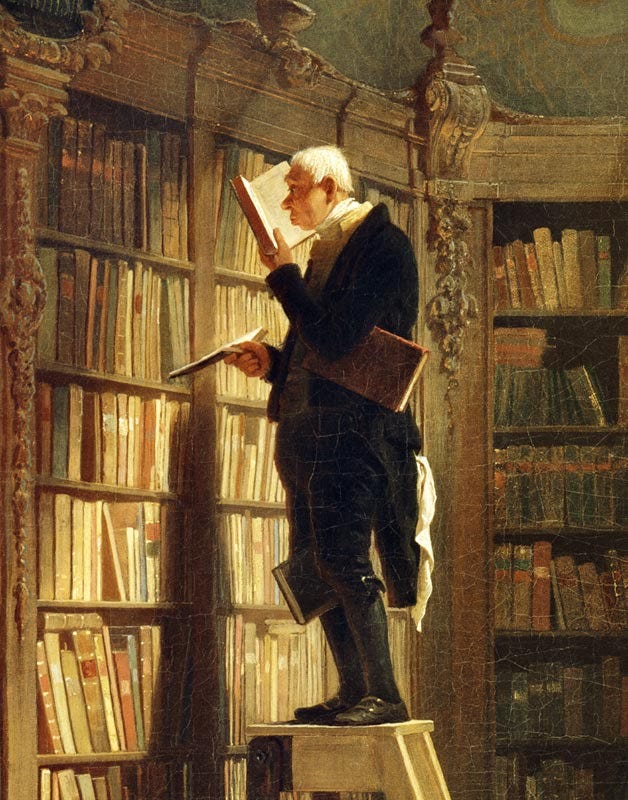
My Thoughts Are Deeper
I have often wondered about people who dedicate themselves to the necessary art of book reviewing.
I’ve asked myself whether a book must be read differently to be reviewed with authority. I also used to think many reviewers pretentious, believing their thoughts about a book were that important.
This year, though, I’ve been writing book reviews after every novel, even if I don’t share them. Most remain in the pages of my journal. One small thing has changed the reading process for me: these days, I take to books with a pencil. I underline words, mark passages, react in the margins.
I understand better.
By the time I finish and settle down to review the book, I am surprised by how deep my thoughts have become. Reading the book is only one part of the process. Those of us who truly dig into ink-stained soil discover treasures casual readers might miss.

I had been underestimating my ability to read, understand, and describe a story. By committing my thoughts to paper, I discover how much I have to say.
I no longer think that book reviewers are pretentious. I now understand where many of them are coming from. It’s no longer enough to simply read a book. There is joy in peeling back layers.
My Writing Has Matured
Because I take the time to reflect on each novel, I’ve begun to absorb some qualities that make my writing stronger.
I do not say this to praise my own writing. I will always need critique, beta readers, and revision. However, my first drafts are more solid than they were. I understand the devices authors use to make stories memorable. Structure plays a greater role in my writing now: I can imagine an arc carrying my characters to a meaningful end.
All writers read. There should be no dispute about that: to become a better writer, one must read. Even if you cannot keep a journal like mine, even if you do not take the time to analyze a book, the act of reading will shape your writing—often without your noticing.
If just reading can influence writing so deeply, imagine what happens when you take the time to uncover a book’s secrets. I’ve now learned to enjoy picking stories apart.
Conclusion
People read for different reasons. Many read to pass the time. They are more likely to take the plot at face value, then donate the book when it’s finished. This is a valid way to read, and I have done it myself.
But I’ve become the kind of reader who finishes a book and reaches for a shovel. After reading, I get to work in my ‘garden,’ planting the seeds I gathered from within the pages. I nurture ideas and pull up weeds.

This is how I intend to spend my reading life during the spring months: reading, planting, and tending to what grows. It’s not light work, but it’s deeply fulfilling. It leaves me small, lasting pieces of a book to enjoy after I’ve finished it.
For this process, I need the right journal—a sturdy place to which I can migrate. Even now, as I think about it, I smile. Which books will I read in the coming weeks? I do not yet know—but my next journal is ready to hold them all.
Do you keep a reading journal? Is it a practice that you would like to take up one day?

I love this post. I was given a reading journal last year that I have started filling in, although I feel I don't do as much as I should. I also find that if I am planning to review a book that I take more notes and spend more time reflecting. It is certainly a practice I hope to do more of.
Love this! I was commenting to my husband last night that I find it difficult now to read without annotating… I need to read with a pen or a pencil, and annotate in the margins, underline… it helps me to understand the story better because it helps me to process my thoughts at the same time as I read…