


Factual Women, Fictional Women
What are the characteristics of a strong female character?
I attempted to answer this question in a post two weeks ago. In that post, I named some remarkable female characters I’ve encountered in books this year. I reviewed the books, then explained why the women were admirable.
Since the publication of that post, I have continued to meditate on the matter of a strong female character. Perhaps I approached it the wrong way. Perhaps a better question to ask is: What makes a strong woman?
Because are female characters, after all, not fully alive on the page? To a reader immersed in a favorite novel, protagonists seem to shine beyond the text, the italics giving them form. Standing in vivid dimension, these women inspire us.
I therefore shifted the question: What makes a strong woman? To this question, there is also no easy answer. Strength takes different forms and manifests through different actions—not all of them dramatic, not all even intentional.
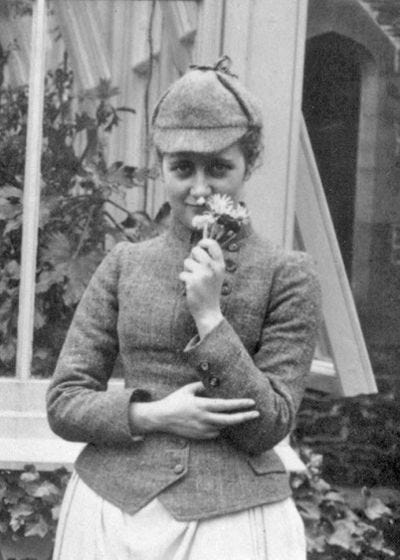
You Are Who You Read
Hoping to answer the question of what makes a strong woman to me, I turned to my own heroines.
World history offers us no shortage of courageous women to admire and emulate. Readers of The Tearoom know that I have many heroines, and I’ve written about them often. Perhaps my choices are biased, as many of them were writers or had some affinity for art.
Louisa May Alcott, Lizzie Siddal, Anne Bradstreet, Emily Dickinson, Jane Austen—these are the women who inspire me. They forged lives as women of the word, but I have since begun branching out. In my studies of American and world history, I’ve learned that other women—those who became famous for entirely different reasons—also had passions for art. There is no crevice in life that art does not touch.
In this post, I write about a woman who was a known author, and another whose life has been immortalized through a heavy but honored title: First Lady. She may have been a president’s wife, but before she entered the harsh world of politics, she was a young woman immersed in books and art.
These two women were born into higher circles, where specific things were expected of them. They understood the risks, as women, of becoming studious, creative, and persistent. They understood—and yet persisted. They have become my latest “girl-crushes.” It has become a personal passion of mine to discover such women and shed light on them.
Many women have captured my imagination, but in this post, I focus on two: Beatrix Potter and Jacqueline Kennedy, when she was still young Jackie Bouvier. I focus on them because, until recently, I would not have placed their biographies on the same shelf. I discovered that their early lives overlap in delightful ways.
As lovers of story, these women have more in common than we might think.
From Beatrix Potter to Camelot
Readers, you might have tired by now of my love notes about Beatrix Potter.
Like most readers, I “met” her in my childhood. Her brainchild, Peter Rabbit, taught me a love of reading. Thirty years later, she continues to inspire me: her whimsical, detailed art style has motivated me to once more attempt drawing.
Because of Beatrix Potter, I’ve taken up art for the fourth time. I dug my watercolors and oil pastels out of my desk drawer, wanting the skills to visually create my own world. This time, I have discovered a genuine passion—for art, for the discipline of drawing. What will Beatrix inspire me to do when I am an old lady? We will have to wait and see.
But you might be asking: what does Beatrix Potter have in common with young Jackie Bouvier? Their paths never crossed, and they were born oceans apart. Their styles were very different, as were their religions. One preferred a quiet life in the countryside; the other stepped into public life.
In truth, once we set aside the minutiae, the shapes of their lives are remarkably similar.
Jackie Bouvier was born in 1929 in Southampton, New York; Beatrix Potter was born in South Kensington, England, in 1866. Both belonged to wealthy families of high standing. Jackie came from “old money” and comfort. Beatrix’s father was a barrister; the Potters were committed to “looking the part,” carefully maintaining their reputation.
Jackie’s mother, Janet, was deeply concerned with appearances, insisting that her daughters fulfill traditional roles. Jackie and her sister, Lee, were presented as debutantes. They grew up in a strict household—their every move scrutinized, their clothes nitpicked, their actions judged.
As the daughter of a successful barrister, Beatrix Potter’s early years were similar. Her mother, too, was deeply concerned with public perception. A product of the Victorian era, Helen Potter believed young ladies should aspire to flawless reputations. They ought to be socially successful so that they might marry well.
To the chagrin of both their mothers, Jackie Bouvier and Beatrix Potter shared a quiet rebellion: both proved difficult to tame.
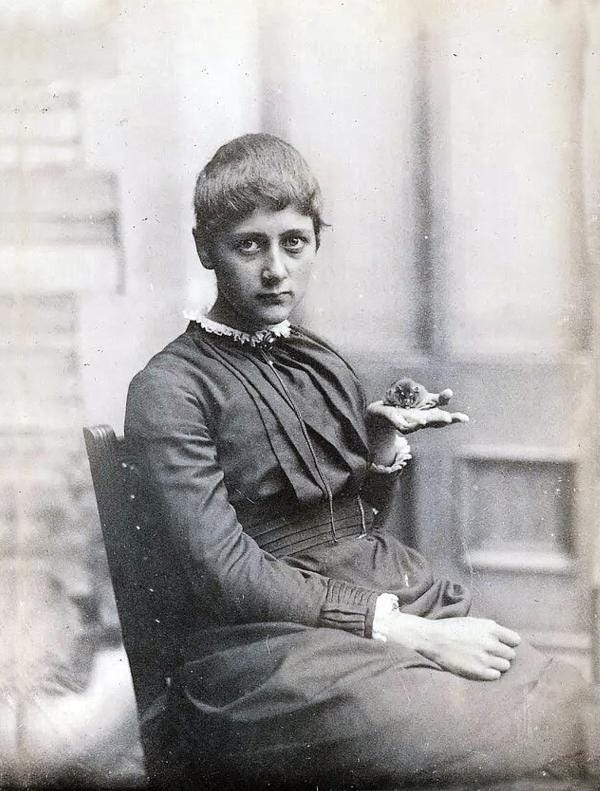
Beatrix Potter’s Personal Zoo
As a child, Beatrix Potter had unusual interests.
Fascinated by nature, she befriended house mice. She found more comfort with them than at her mother’s balls and tea parties. With her brother, Bertram, she gathered animals into a personal “zoo,” kept in a designated area of their home.
Beatrix and Bertram cared well for their pets, but when those pets’ lives came to a natural end, it became an opportunity to learn. The Potter children performed dissections, bonding over science. They developed an unusual knowledge of biology—of how life holds itself together.
Later, these early studies proved essential to Beatrix’s work as an author and illustrator. Her knowledge of anatomy informed her illustrations, including those in The Tale of Peter Rabbit.
It is unfair to remember her only for that mischievous bunny; her intellect ran much deeper. In her twenties, she had already developed a striking illustration style. She spent hours wandering the woods surrounding her family’s estates, sketchbook in hand, cataloguing plants and painting them in fine detail.
When she decided to publish her stories, another side of her personality emerged. Beatrix pushed against her mother’s plans for her life—sitting pretty, marrying well, and having children. She dedicated herself to her manuscripts and persisted in publishing them.
After her books became successful, Potter even pioneered an early form of “branding.” She insisted on control over the size of her books (small enough for a child’s hands), their illustrations, and even their merchandise, helping design stuffed Peter Rabbit toys.
I will never tire of praising Beatrix Potter. She learned at a young age what was truly worth pursuing: curiosity, beauty, and persistence. Her own story is as fascinating as those she wrote.
A Protest in Pictures
Years later, another young woman with a similar spirit began her journey, pushing against her mother’s plans for her.
Jackie Bouvier rebelled by cultivating hobbies of her own. Possessing an inquisitive mind, she was among the top students at every school she attended. Like Beatrix Potter, she found a happy place in literature. In the seventh grade, she kept a diary; in it, she recorded the titles of books she had read and what she thought of them.
Camera Girl, Carl Sferrazza Anthony’s biography, offers a vivid picture of the coming-of-age of America’s “Queen.” More than a pretty face, Jackie was clever. When she had a goal in mind, she pushed it through to the end, regardless of what it required.
As a college student, Jackie spent a year abroad. She lived in Europe—primarily France—where she learned the language while kindling a deep love for art. Jackie’s early achievements are often obscured by her first marriage to JFK; however, it is this version of her that inspires me.
Like Beatrix Potter, the young Jacqueline Kennedy Onassis chose what she wanted to be. The women are strikingly similar: both were born into wealth and expected to live a certain way. Both chose instead to focus on personal passions, exploration, and art.
Sferrazza Anthony opens Camera Girl with a brilliant portrait of who Jackie was. He recounts a birthday present she pleaded with her parents to give her before her college trip to France. It wasn’t just any camera, but a Leica—one of the most expensive at the time. Though it required persuasion, she acquired it in time for her trip.
Jackie wanted photographs of this journey because she sensed it would help her flourish. Paris offered her a freedom that was not available in the homes of her divorced parents. In letters, she tells friends and family of adventures that would not have been possible in New York.
Paris offered her a “larger pot” in which her roots—already strong—could burrow deeper, becoming firm, no doubt preparing her for the impactful and tragic life she was destined to lead.
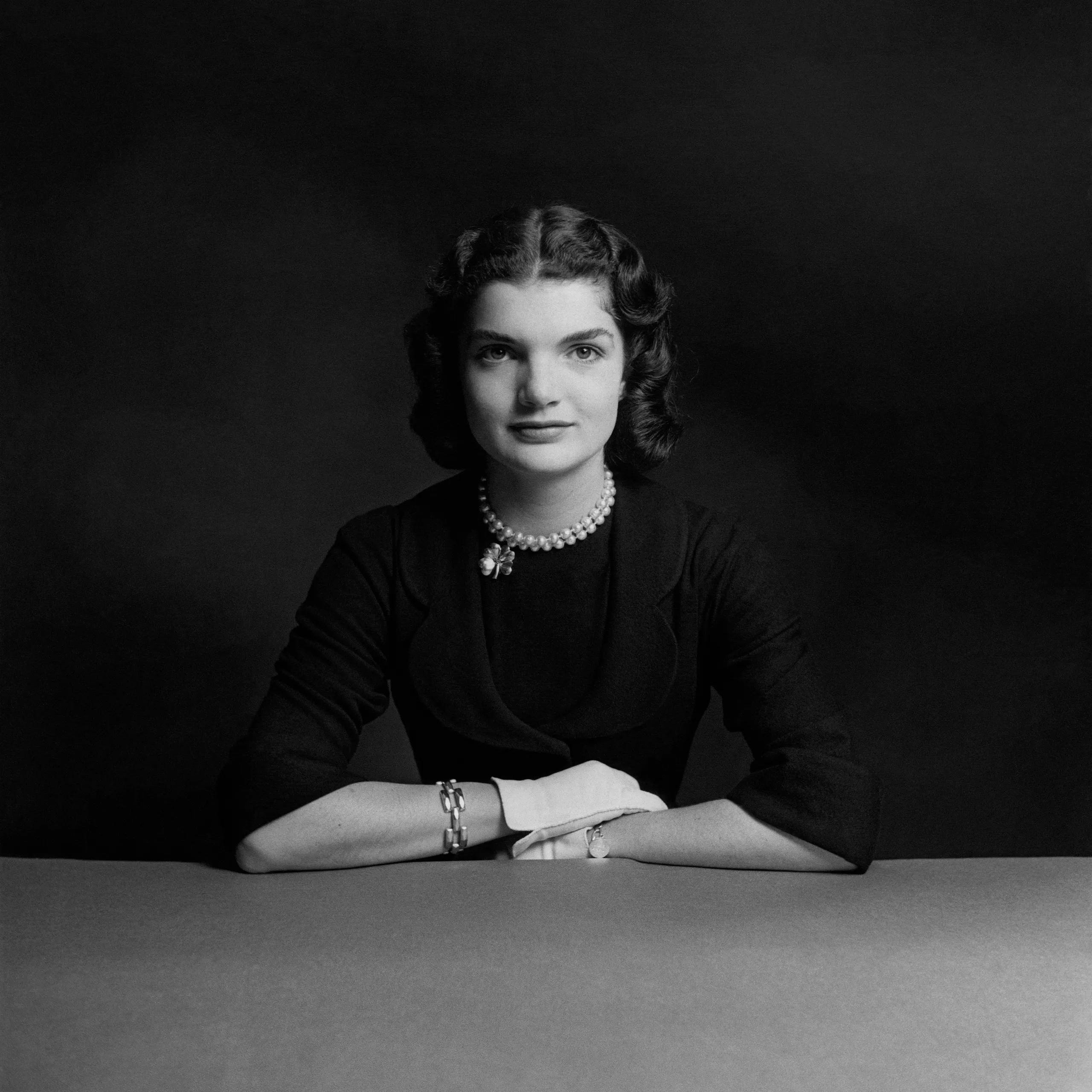
Muses, Mothers, and Marriage
Beatrix Potter’s mother never put much stock in her daughter’s writing talent. In 1902, when Beatrix secured a publisher for The Tale of Peter Rabbit, Helen Potter dismissed it as a trifle—a girlish whim (though Beatrix was, in fact, 36 by that time).
A thoroughly Victorian mother, Helen did not grant her adult daughter the freedom to manage her own affairs. When Beatrix visited her publisher’s office to discuss book matters, she went with a chaperone—sometimes a housemaid, other times Helen herself, sitting in the corner to listen.
Helen Potter’s precautions were in vain. In spite of these chaperones, Beatrix fell in love with her editor, Norman Warne. Following a brief and secret courtship, they became engaged in 1905. Mr. and Mrs. Potter did not have to worry for long: Norman Warne died of leukemia not long afterward.
Similarly, Jackie Bouvier’s mother considered her daughter’s ambitions beneath their social standing. Her disapproval became clear in 1951, when Jackie entered a competition for Vogue. She was one of many young women competing for an editorial position, a process that lasted several weeks.
Stronger than Janet Bouvier’s disapproval, however, was Jackie’s motivation: the winner would have the opportunity to return to France. Enamored with the City of Light, Jackie poured herself into every essay, impressing judges and advancing through each round.
According to Sferrazza Anthony, her mother’s objections were deeply traditional:
Mummy argued that Jackie was unwisely investing her time, because no wealthy man would marry an intellectual woman… if Jackie did not begin to “conceal how bright she was,” she would never “land a husband.”
What strikes me is not Mummy’s attitude—it was to be expected—but Jackie’s response. She did not argue loudly, nor did she renounce her circumstances. Instead, she continued to write and study, quietly pursuing her goal of returning to the city she loved.
Beatrix Potter and Jackie Bouvier possessed the same strength. Their protests did not resemble rebellion, but devotion. Both women chose, again and again, the pursuit of their passions—even when those choices were questioned by the very people meant to guide them.
Both were warned that their intellect and curiosity might make them less desirable in the marriage market. Beatrix’s heart became deeply involved, though fate cruelly snatched Norman away before her mother could interfere further.
These women had much to lose by pursuing their dreams, yet neither relinquished them.
Jackie Bouvier in Vogue
Jackie Bouvier was an excellent writer. Her English teacher at George Washington University, Muriel McClanahan, wrote of her:
“She was an extremely intelligent young woman, but she also possessed a brilliant imagination. This, coupled with a genuine talent for writing, gave her a remarkable gift. She might have become prominent in her own right had she followed that path.”
During the Vogue competition, Jackie advanced through several rounds until she reached the final twelve. She received high praise from the magazine’s managing editor:
“[Carol Phillips]…gave her an ‘AAAAAA,’ declaring: ‘This is it—for my vote. A most impressive set of papers… She is a writer; she definitely has the editorial point of view. My only worry is that she might marry someday… But I’m counting on her for the copy room team!’”
The fruit of her labor came on May 15, 1951, when Jackie received a telegram from editor-in-chief Edna Woolman Chase: “Delighted to announce you have won first prize, Vogue’s 16th Prix de Paris.”
Jackie had won—but things were not yet settled. Like Helen Potter, Janet Bouvier proved a formidable obstacle. Her disapproval never abated. After her daughter’s victory, she maneuvered circumstances that forced Jackie to decline the prize.
Like Beatrix Potter, Jackie faced a determined gatekeeper.
Though she turned down the Prix de Paris, Jackie knew she had won in a deeper sense. She had chosen a path in journalism, and Mummy could not stop her from pursuing it. Months later, she was hired by the Times-Herald, where she wrote the popular column “Inquiring Camera Girl,” which made her name known throughout Washington, D.C.
Jackie’s dream of Vogue fell through—but it prepared her for a greater future.
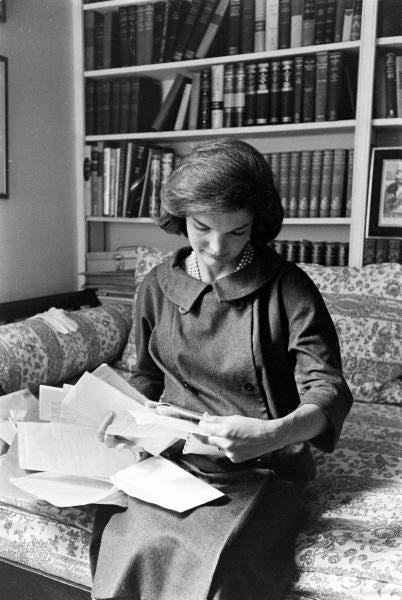
Creative Rebellion through the Ages
Beatrix Potter is remembered for Peter Rabbit, as well as her remarkable botanical illustrations. Jackie Bouvier is remembered for her style, elegance, and the grace with which she later conducted herself in public life.
They lived in different countries and different eras. Yet as I read their biographies, I began to recognize the same spirit in both—a spirit I, too, feel: the need to create.
If we peel back the silk, the fine wine, and the jewels, we remember that these were once young women trying to find themselves in worlds often inhospitable to them.
At the core of it all—the place from which creative things emerge—they are not so different from us. I feel I can relate to them. I can say with confidence that I am a writer—a storyteller—a keeper of stories.
What, then, am I noticing in these women?
Theirs was not bold defiance, as we see in films. It was not dramatic rebellion, nor outright rejection of the worlds into which they were placed. Their defiance was steadier, longer-lasting.
Micromanaged by her mother and grieving a lost future with Warne, Beatrix Potter did not storm away. Instead, she continued her creative work—building a world, a life, and even a brand.
Jackie Bouvier did not shrink when told to conceal her intelligence. Though she was forced to relinquish the Vogue prize, she continued pursuing journalism and photography. Her patience was rewarded when she secured a position at a respected publication.
Both women practiced a kind of interior loyalty—remaining faithful to their interests, their curiosities, and their ways of seeing.
What Do Peter Rabbit and Camelot Have in Common?
What can we learn from young Beatrix Potter and Jackie Bouvier?
Their lives teach us that strength can take the form of refusing to abandon oneself—and one’s work—regardless of the obstacles encountered.
This fierce loyalty to personal passion may seem fragile, yet the world has been built upon it. Many people in history—women in particular—have mastered this quiet but powerful art: the ability to cultivate rich inner worlds while outwardly fulfilling expected roles.
Stories are not always loud. Sometimes they exist beneath the surface, waiting to be spoken. When they finally emerge, they can change the world.
To be a storyteller does not require status or wealth. It requires self-respect—and a kind of courage that outlasts fear.
Self-loyalty does not always look like resistance. Often, it appears as persistence: the quiet decision to return to the page, again and again, even when the world advises otherwise.
Perhaps that is why Beatrix and Jackie feel so real to us—not only as figures in history, but as companions in our own lives. Their strengths are not distant or unattainable. Something of them lives in all of us, waiting to be cultivated.

So sad about the comment that Jackie should hide how smart she is. But I do often hear people say that that’s one of the reasons they love someone.
Fascinating article. I grew up with Beatrix Potter's books too and I have a large collection of the porcelain figurines of her different characters in my childhood bedroom at home. I didn't know much about her as a person, so this was a very interesting read - thank you.