


I — The Sacred Customs of Reading
Every reader has their own habits—small routines that make reading feel like a sacred rite, a quiet return to a place that is always waiting for them. It is here that we become wonderfully selective: about what we read, who we read beside, and how long we linger after the final page.
Few reading customs inspire stronger opinions than the humble dog-eared page. Some readers see it as an act of disrespect toward the book itself; others see it as affection made visible—a sign that a story has been lived with rather than merely consumed.
“What is your stance?” you might ask me.
To which I would reply: it depends on the book.
Thrift shops are where I’ve found some of my favorite stories, and when a book already bears the gentle signs of previous readers—softened by other hands before mine—I no longer feel such a sharp twinge of conscience about altering its remaining “perfections.”
I’ve also become more comfortable annotating and writing in the margins. An annotated book can feel unexpectedly alive. Margin notes become the beginning of a conversation—one that may continue years later when the book is opened again.
Neither dog-earing nor writing in the margins is inherently wrong.
The fact that these practices inspire such spirited debate reveals something else entirely: people who love books pay attention to small details. We notice. We care.
Books are never only words on paper. The books we love become extensions of ourselves.
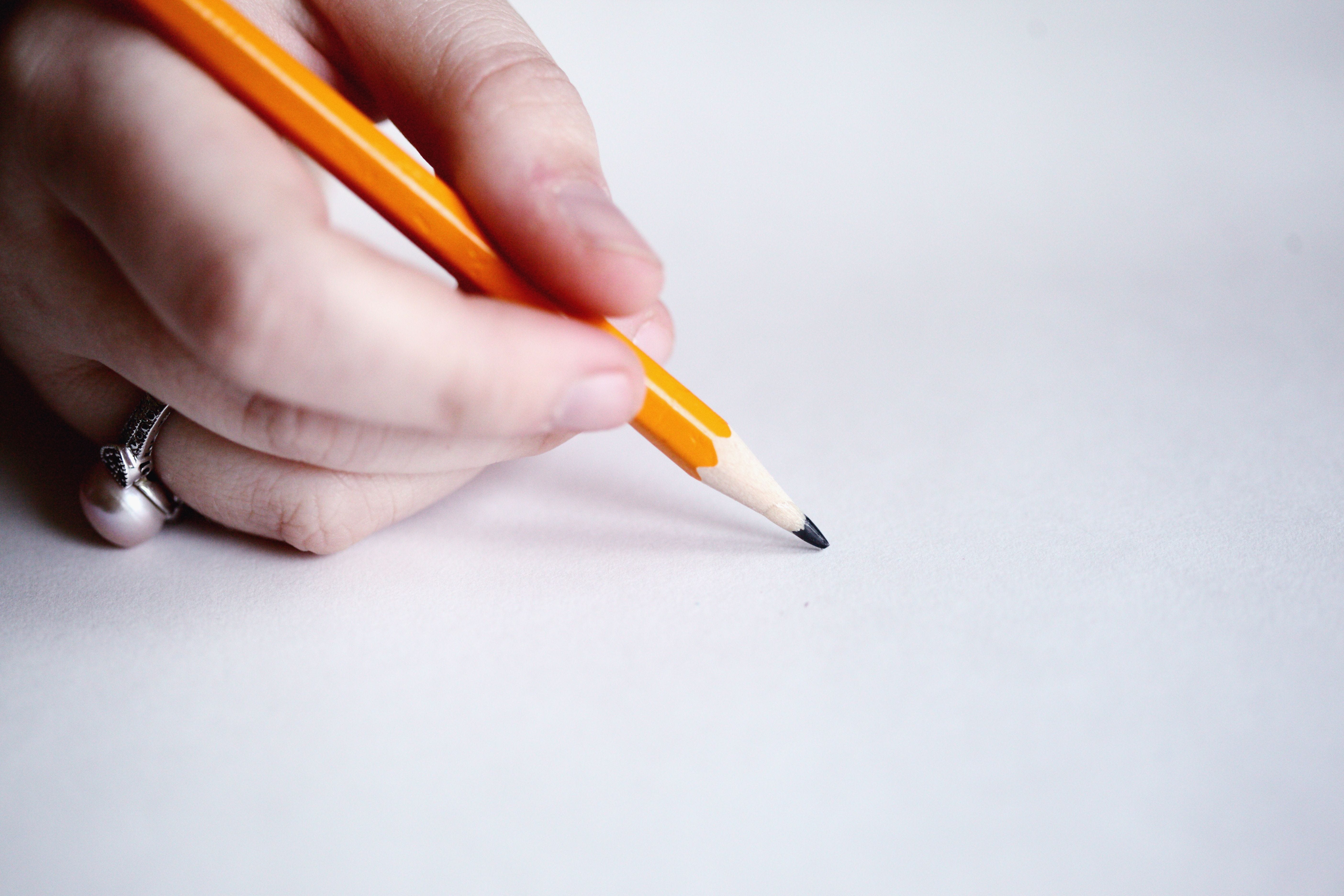
II — In Defense of Margin Notes
What interests me about these debates is not who is correct, but why readers care.
A book is, after all, an object—but it is also an experience. The same novel may pass through dozens of hands and become slightly different for each reader who opens it.
When I come across an annotated book, I do not see damage. I see evidence of a conversation. Someone lingered here. A question waits in the margin. An exclamation point preserves a moment of delight. A sentence is underlined because someone refused to trust it to memory alone.
That does not mean every book should be written in. Some volumes invite a certain reverence: a beautiful edition, a treasured gift, or a borrowed copy may ask for gentler treatment. Other books welcome a more active exchange, becoming workshops, commonplace books, and journals all at once.
The book lover understands that reading is not performance. She does not annotate because it is fashionable, nor does she avoid annotation because someone else disapproves. She develops her own customs, shaped by experience, temperament, and affection. These rituals matter less than the quality of attention they cultivate.
Perhaps that is why readers defend their habits so passionately. Reading occupies a private corner of life. The routines surrounding it—a cup of tea, a bent page, a penciled note in the margin—become part of the sanctuary. We protect them because they help us return, again and again, to the books that make us who we are.
III — A House Without Books
Marcus Tullius Cicero famously wrote, “A room without books is like a body without a soul.” As a general rule, I try not to judge when someone does not share my love of literature. Yet, for the sake of honesty, I will admit that I am more troubled by homes without books than by annotated novels.
I know there are reasons why a home might not contain books. They do not change the quiet sadness I feel when I visit someone and find no shelves to browse, no novels with which to begin a conversation.
Perhaps this is why the debate over dog-eared pages has never seemed important to me. Whether pristine or lovingly worn, books suggest a reading life. They hint at afternoons spent lingering over stories, at conversations carried on in pencil, at the slow accumulation of a personal library.
Reason tells me that everything can be found online now. My heart remains unconvinced. A search engine has never carried the satisfaction of a dog-eared page. Books preserve traces of the people who owned them. Meanwhile, the blinking cursor always seems to wait in silence.
I confess that I love to see signs of life in books—a penciled note, a folded page, my name written on the flyleaf. These are not blemishes but marks of belonging, evidence that a book has found its place within the family of my library.
Your reading life will not look like mine. I think that is a good thing. Readers have always returned to these questions, generation after generation.
In the end, these conversations always peter out, and we return to what we wanted to be doing all along: opening a well-loved novel and disappearing between its pages.
There is comfort in that.
IV — Matters of Great Importance
People who care about a book’s condition understand that it deserves reverence. The only difference is that we do not all define reverence in the same way.
Read—and let read.
If someone prefers every book on the shelf to remain untouched by the slightest sign of use, I wish them every happiness. In return, I shall continue meeting my used novels with a pencil in hand, capturing phrases I hope to carry with me for the rest of my life.
What matters is the magic of discovering a story. Some of us binge-read; others move slowly, savoring every chapter. Some carry their books to the beach or beneath the shade of a tree. Others wait until night falls, reading beneath the warm glow of a bedside lamp.
Read—and let read.
Continue to care about the little things, for they are rarely little to those who love books. Debate the merits of bookmarks and folded corners, of pristine pages and penciled margins, and then return to the stories themselves.
For that is where every discussion among readers is ultimately leading us: back to a familiar chair, a novel, and that world between the covers where we are reminded, once again, why we fell in love with books in the first place.

i love to dog ear my books! a very controversial take. and you’re right, annotated margins are conversations.
Yes, everyone has their own relationship with books. I feel books also love me back. The feel of a beloved book in my hands is different. No amount of digital archive can replace that. They are just useful.
When I visit a house without books, I feel stifled, and flee as soon as I can. The people residing in them can be very good, but they are not my people. Period.