


By the time of this post’s publication, I will have filled my second dedicated reading journal of the year.
Reading journals, to me, contain more than book reviews and margin notes. Mine, at least, have evolved over time to become personal. They now correlate more with my ‘real life’ than one might expect. In this post, I will explain.
Like most human beings, I’m a creature of routine. For the past three years, I had managed to establish a habit of writing nightly in a diary, no matter what. It was a good habit; the only trouble was that, in my life, very little changes from day to day. Eventually I resorted to jotting one-line entries about the weather or what I had eaten, merely to make a mark on a page.
This counts as fulfilling a habit, but just because there are words on paper doesn’t mean the words have substance. How much will I benefit, in twenty years, from knowing that we had pizza for dinner? I needed another, richer topic with which to mark the passing of time. Glancing at my bookshelf gave me an obvious solution.
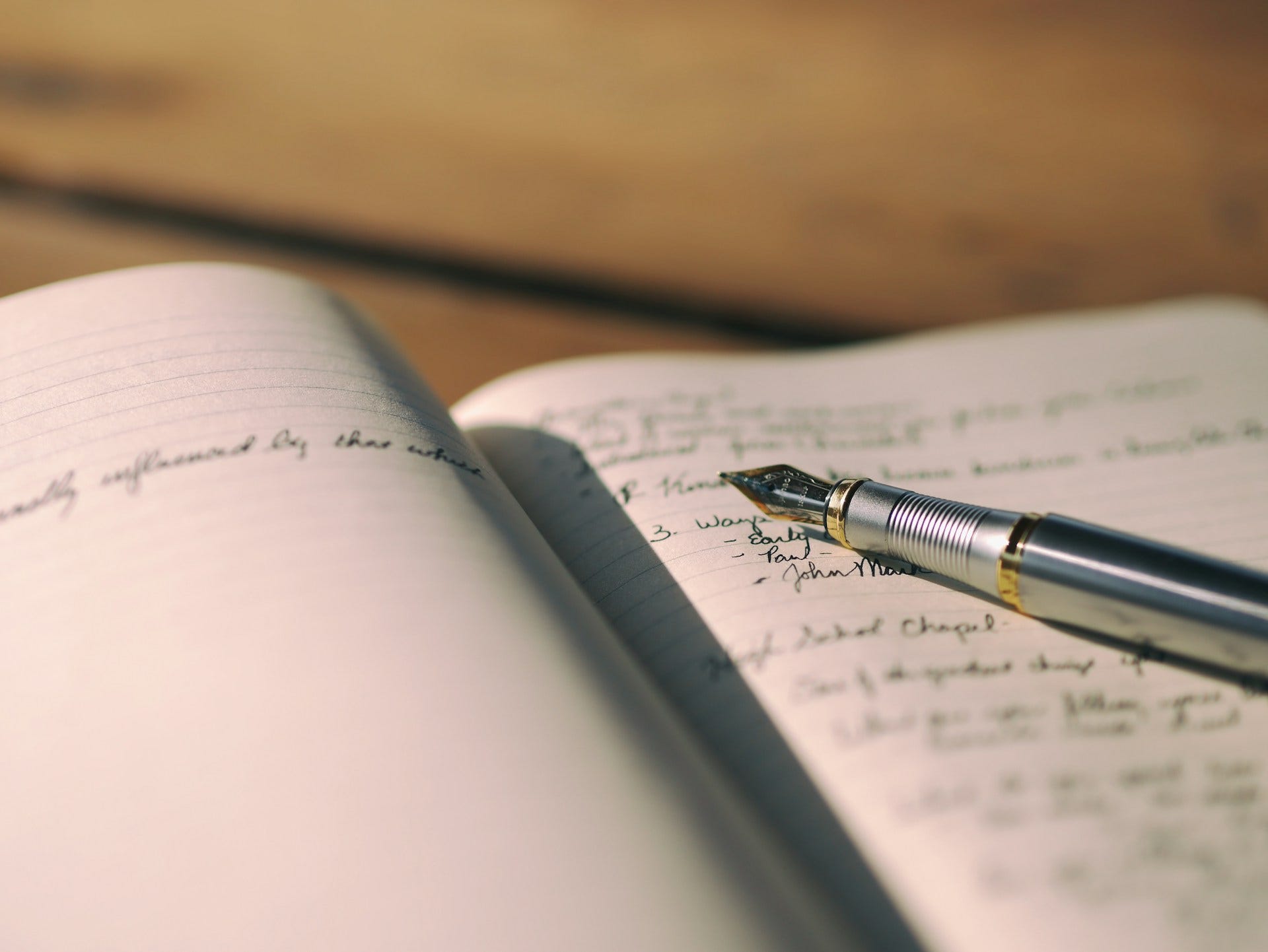
Now, rather than writing every night about the weather or a headache I’d had that day, I turn to the book I’m reading—because I’m always reading something. I might mention that I ate pizza if it was really good, but then I go on to comment on a chapter I just finished. I make notes on where it took me, what remained in my mind, and what I felt I would remember later.
Living a Thousand Lives
As I established this as my new ‘norm’ for journaling, something curious took place. The weight in my mind shifted. Minutiae of my everyday life no longer found their way into my journal. I realized that, in twenty years, I probably won’t care if it rained today.
I will care—and so will others—about a hidden gem I discovered at the thrift store. These often lead me down rabbit holes of discovery and adventure which I cannot wait to share. Fragments from these adventures are what I offer Tearoom Circle members behind the paywalled portion of my Tearoom Library posts.
I don’t have a “journal ecosystem” like many other Substack authors. I don’t have a fancy monogrammed travel diary with inserts in it. What I do have are thoughts that I believe are worth gold, and the confidence to share them.
My reading life feels richer than the routines that fill most weeks. My notebooks have therefore gradually become devoted to books. What began as a place to record reviews and quotations evolved into something unexpected.
Over time, I began to notice that these notebooks resembled travel journals more than diaries.

The Book as a Passport
When people think of travel journals, they often imagine notebooks filled with train schedules, museum tickets, maps, and observations from distant places. My journals contain many of the same things, only the journeys take place through pages rather than landscapes.
A good book can carry us remarkably far. Through reading, I have walked the streets of Victorian London, wandered the English countryside with naturalists, stood in artists’ studios, crossed oceans with immigrants, and spent afternoons in houses that no longer exist except in memory and fiction.
Some books have introduced me to places I may never visit in person. Others have helped me see familiar places with new eyes.
My journals preserve traces of these journeys. There are quotations copied down like souvenirs, sketches of ideas that caught my attention, reflections on characters who felt strangely real, and notes about subjects I wanted to explore further. Looking back through old volumes feels much like unfolding an atlas of places I have visited before.
The entries are no longer records of where my body has been. They are records of where my mind has wandered.
A Mind Rich in Travel
While preparing my recent conversation with Tracy Chevalier, I found myself turning through old reading journals. What struck me was how little they resembled book reviews. Instead, they read like travel diaries.
There were notes about weather, seasons, trains of thought, half-forgotten afternoons, and the books that accompanied them. The stories themselves were there, certainly. But so was the record of a traveler.
As I turned the pages, I realized that I could reconstruct entire seasons of my life from these notebooks. Certain novels immediately brought back the room where I read them: the weather outside the window, the tea cooling beside me, and the questions that occupied my thoughts.
A traditional travel journal records where a person has gone. A reading journal records who a person has become.
Each book leaves behind a small mark, altering the landscape of the mind in ways that are not always obvious until years later. Looking through old entries, I could trace the paths of my own curiosity: the periods when I became fascinated with naturalists, artists, forgotten women, children’s literature, or the lives of writers.
The books themselves were destinations. The journals became the maps.

A Book in a Book in a Book
Books, classics in particular, serve as excellent maps to guide a human being through life. It is no surprise, then, that I find more of myself in journals where I’ve focused on what I read than on what I did in ordinary life.
Long after I have forgotten the details of a particular week, I can open an old notebook and return to the places that shaped me. I can revisit familiar spaces: not always locations on a globe, but always in thought, imagination, and memory.
By the time I fill my third, fourth, or fifth reading journal, I suspect the pattern will remain the same. Each notebook will contain evidence of journeys taken from an armchair: conversations with authors long dead, walks through vanished cities, afternoons spent in imagined worlds.
Together, these things form a record of a good life spent reading. Not a catalogue of books completed, but a map of the places that changed me.
And when I’m old and gray, an aged, well-read woman, I know I’ll find much satisfaction in revisiting it.